As we move further into 2026, commercial property markets across Australia are beginning to show clear divergence. While some cities are stabilising after a softer cycle, others are experiencing tightening supply and rental growth that is reshaping investor sentiment.
For borrowers and investors alike, this presents a key question: where is the value window opening, and how should funding strategies align with it?
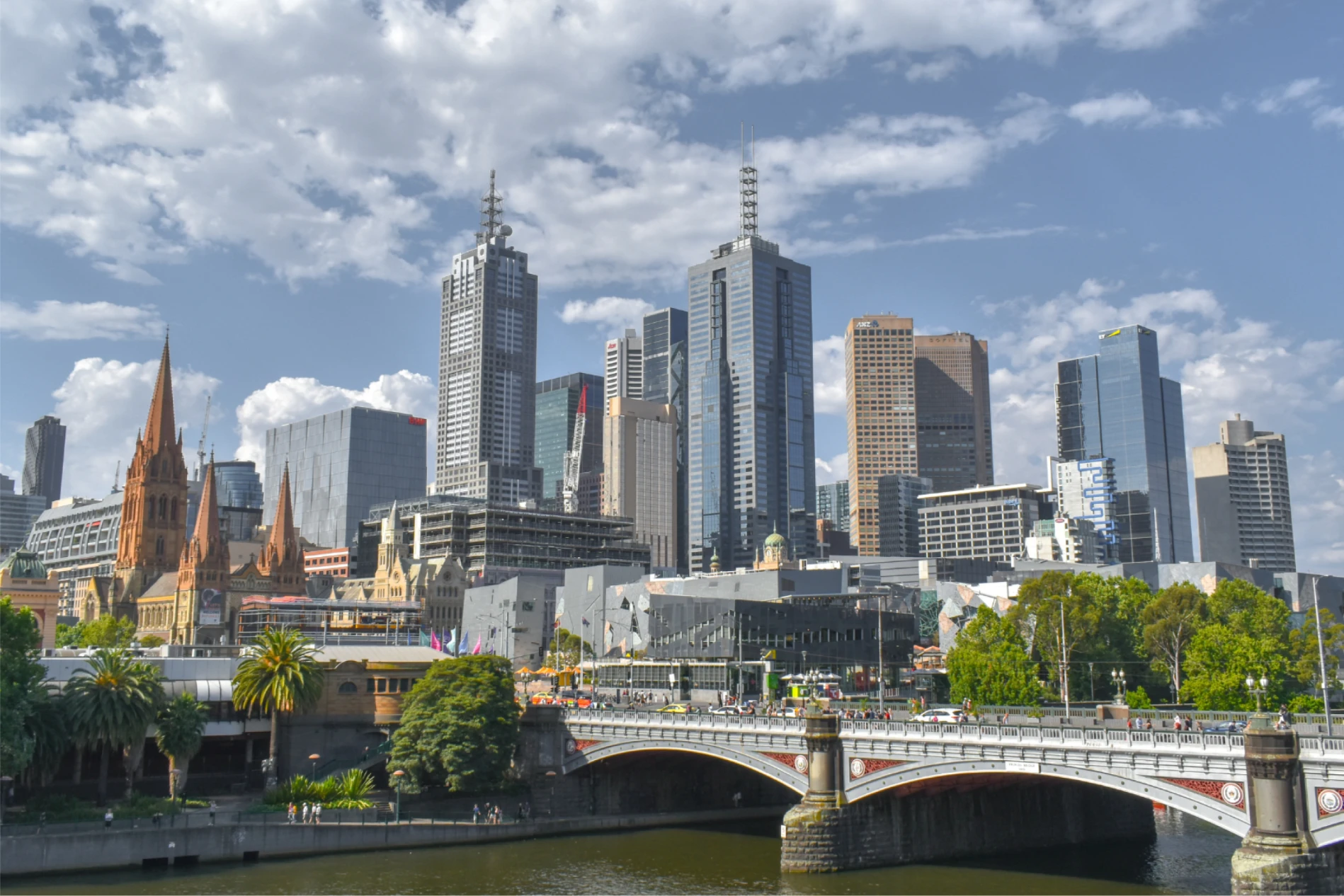
Melbourne: Value Re-emerging After a Reset
After a quieter period, Melbourne’s commercial market is now presenting what many analysts see as a value opportunity.
Assets in key locations are trading at discounts below replacement cost, with yields sitting above long-term averages. While Melbourne has faced headwinds in recent years, this reset has created entry points for strategic buyers willing to adopt a medium-term outlook.
Fringe office markets such as Cremorne have outperformed the broader metropolitan market, benefiting from strong amenity, transport access and tenant demand. For investors seeking rental growth and longer-term upside, these precincts are attracting renewed attention.
In industrial property, Melbourne’s east is largely built out, shifting focus toward the north and west. Government-backed infrastructure planning is reinforcing these corridors as future industrial hubs. Combined with limited inner-city supply, this positions these areas for sustained long-term growth.
Melbourne is also strengthening its position as a regional data centre hub, drawing increasing interest from global capital targeting digital infrastructure exposure.
For investors comfortable leaning into a recovery cycle, Melbourne may represent one of the more compelling value plays nationally.
Brisbane: Leading Office Growth Nationally
Brisbane is forecast to be Australia’s strongest-performing office market through to 2030.
Premium CBD office rents are projected to grow at a compound annual rate of 7.1 per cent, outpacing Sydney and Melbourne. This growth is being driven by continued internal migration, significant infrastructure investment, and a competitive business environment.
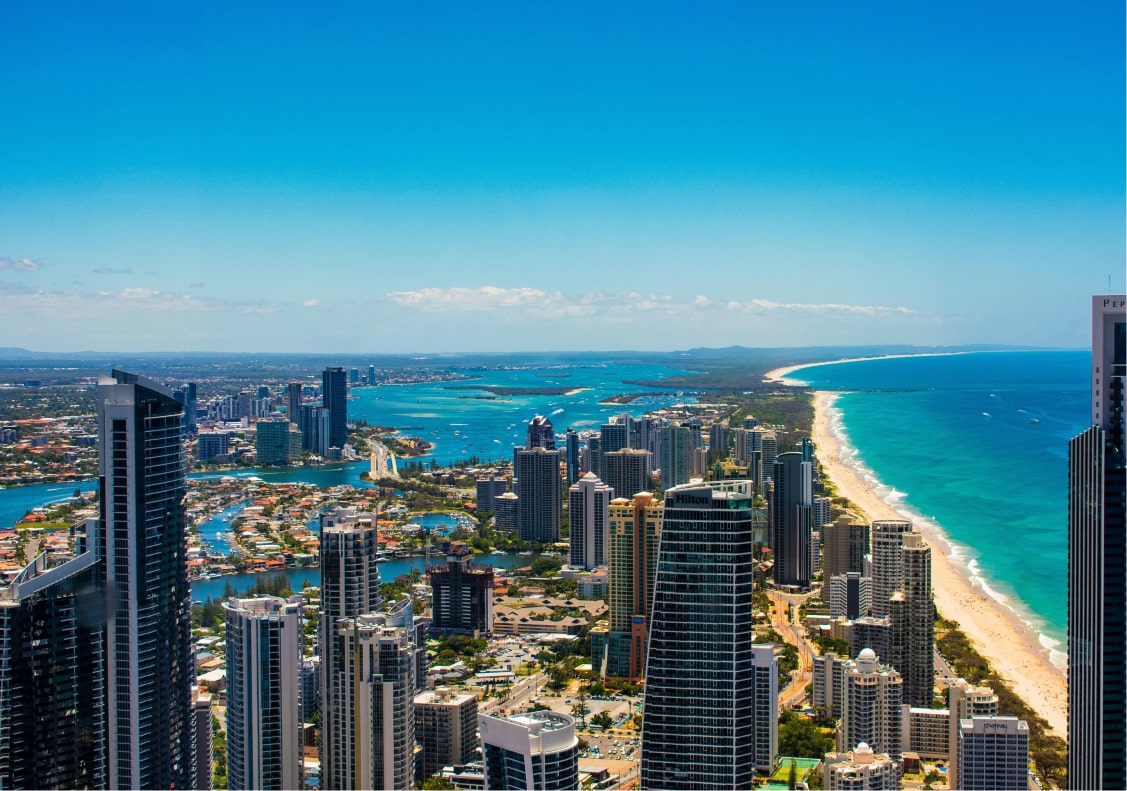
Premium buildings in the Brisbane CBD are experiencing strong absorption, while coastal markets such as the Gold Coast and Sunshine Coast are increasingly attracting long-term capital.
The Brisbane Trade Coast, underpinned by the Port of Brisbane and the airport, remains a standout industrial precinct. Limited land availability continues to push values and rents higher, reinforcing its position as a high-demand corridor.
For investors seeking momentum and rental growth supported by structural population shifts, Brisbane is shaping up as one of the most resilient markets in the year ahead.
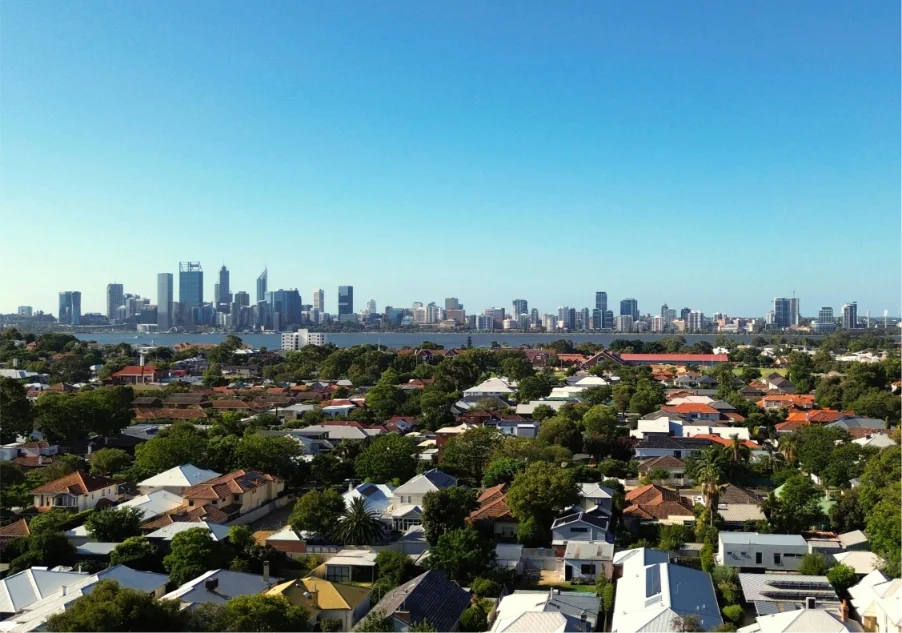
Perth: A Supply Crunch Building
Perth presents a different dynamic — one driven by constrained future supply.
No new premium CBD office buildings are expected to be delivered until at least 2033. Development feasibility remains challenging, with economic rents required to justify new construction sitting well above current market rents.
This gap is delaying new projects and effectively creating a long-term supply drought.
With limited premium stock under construction beyond 2025 and vacancy tightening, rents are forecast to grow strongly through the remainder of the decade. As supply remains constrained, upward pressure on rental rates is likely to continue.
For investors, constrained supply combined with rental growth can create a favourable environment, particularly in high-quality assets.
What This Means for Financing
Each of these markets presents a different opportunity profile:
- Melbourne: Value-driven entry in a recovering market
- Brisbane: Rental growth and population-led momentum
- Perth: Supply-constrained premium assets
In an environment where interest rates, lending policy and valuation sensitivity remain key considerations, structuring finance correctly is just as important as selecting the right asset.
Serviceability buffers, lender appetite for office exposure, and valuation risk all need to be factored into acquisition strategy.
As value windows open across different states, aligning your funding strategy with market timing can materially influence long-term returns.
If you’re reviewing opportunities in 2026, our team can help assess borrowing capacity, lender appetite, and structure before you commit - ensuring your finance works as hard as your asset selection.