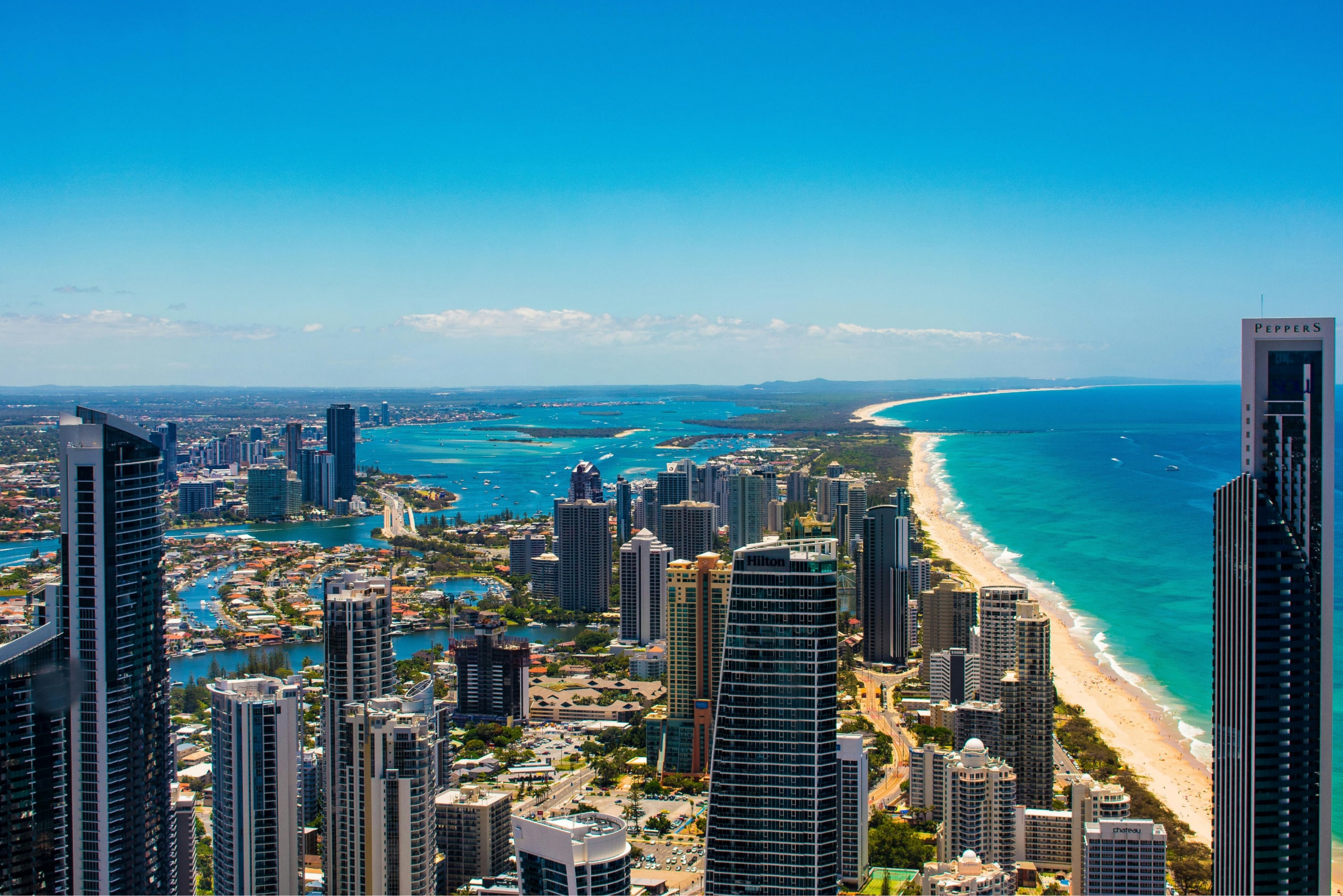
Gold Coast unit prices have now surpassed Sydney for the first time. This is a decisive moment for southeast Queensland’s apartment market, which has evolved from an affordable alternative to a premium destination commanding national attention.
Ray White Group Chief Economist Nerida Conisbee reports a Gold Coast unit median of $956,000, now ahead of Sydney at $927,000. Sydney remains Australia’s most expensive city for detached houses, but the momentum in apartments has clearly shifted north. Ms Conisbee notes that values have re-accelerated after a mid-year pause, supported by population growth, improving borrowing conditions and a persistent shortage of new homes.
Include full story on ‘Articles’ page on Website: Ms Conisbee highlights several forces behind the rise. Three interest rate cuts this year have lifted borrowing capacity, with markets now factoring in the possibility of a fourth in November. Migration is also reshaping demand. The Gold Coast continues to attract residents from across Australia and overseas, drawn to lifestyle, climate and improving infrastructure. Population growth across the Coast and the broader southeast remains among the fastest nationally, yet new supply is not keeping pace.
The premium coastal corridor is leading the market’s transformation. Main Beach holds the city’s highest median at 1.73 million dollars for units after an $880,000 increase across the decade. Burleigh Heads and Palm Beach follow closely, with median unit prices up $760,000 and $740,000 respectively. Currumbin Tugun has surged 134% over the decade. Strength is broad based, with Miami, Coolangatta, Mermaid Waters and Paradise Point each recording gains between $670,000 and $700,000 since 2015.
Demand in the upper tier is being driven by downsizers and interstate buyers from Sydney and Melbourne who are willing to pay a premium for waterfront living. Developers have responded with a pipeline of luxury apartment projects offering resort style amenities and generous floorplates, now synonymous with the modern Gold Coast skyline.
Constraints on construction remain a central challenge, particularly for affordable stock. While national build costs are beginning to moderate, costs in Queensland remain elevated, limiting the feasibility of lower priced projects. As Ms Conisbee observes, delivering new stock under $750,000 is increasingly unviable without meaningful incentives or planning flexibility.
Investor and first home buyer participation is rising. Record investor lending in Queensland reflects the attraction of strong rental growth and tight vacancy. A growing cohort of first home buyers is entering via the apartment market, with smaller holiday units increasingly converted to permanent residences.